
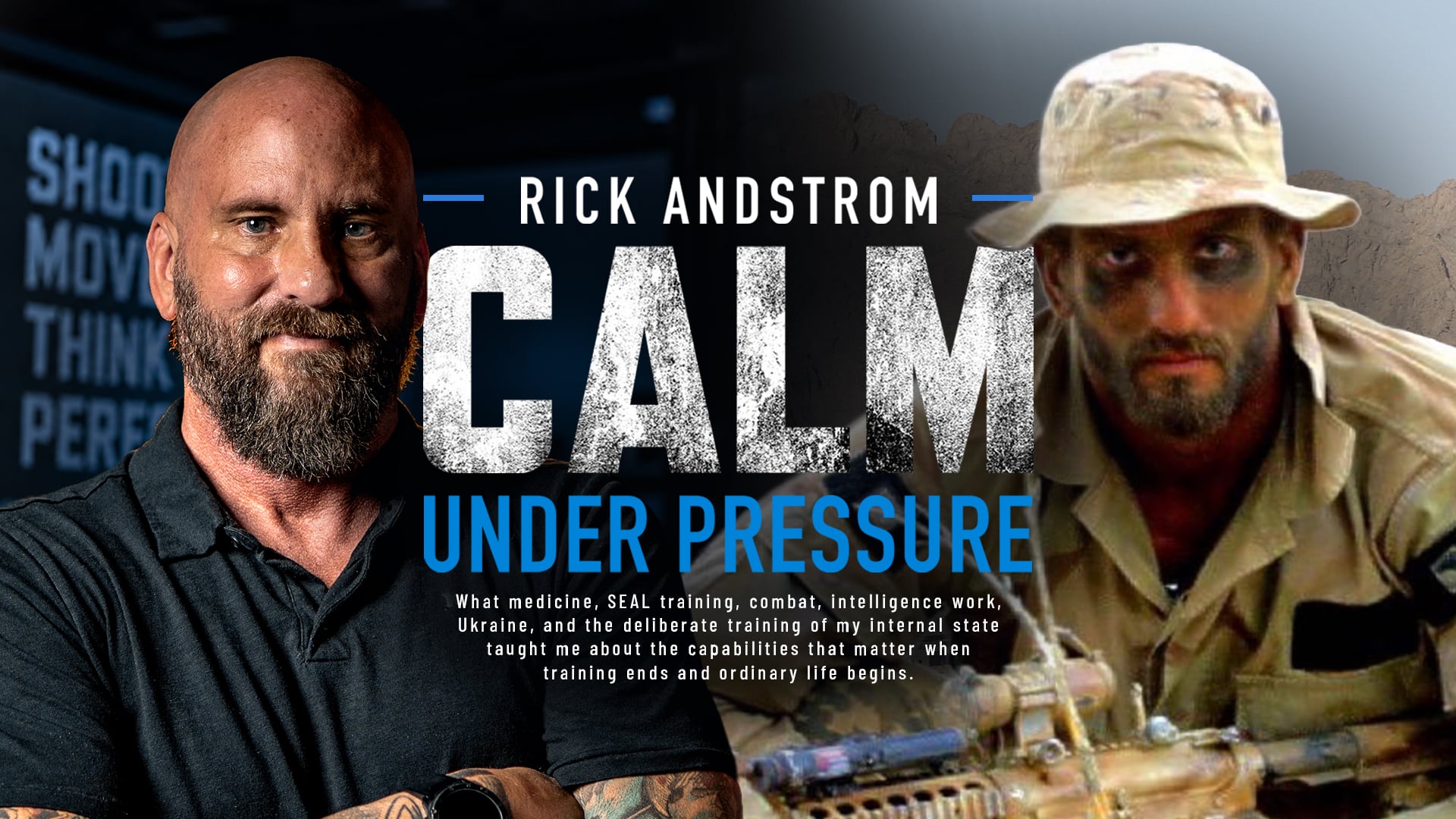
Calm Under pressure Was Never Just About Combat
What medicine, SEAL training, combat, intelligence work, Ukraine, and the deliberate training of my internal state taught me about the capabilities that matter when training ends and ordinary life begins.
Check Your Own Pulse
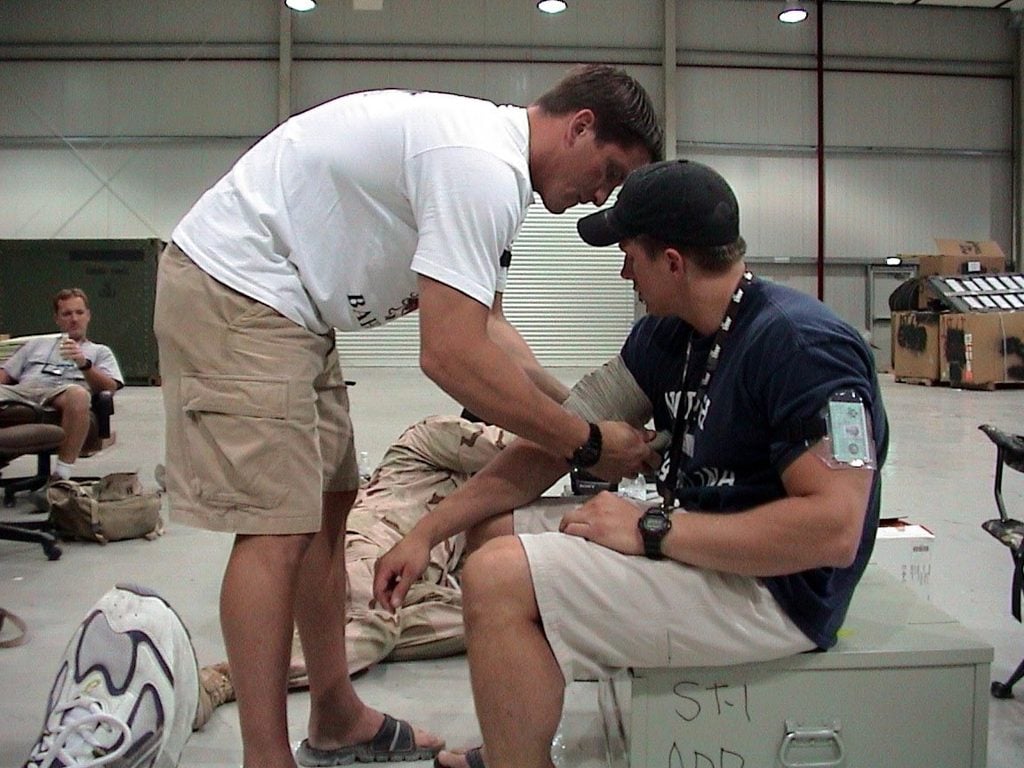
One of the first lessons I remember from receiving my EMT certification was strangely counterintuitive.
Before running up on the scene of an accident, check your own pulse. Not the patient’s. Yours.
I understood the importance of that immediately because an accident scene already has enough chaos. If you are the person arriving to help, you cannot afford to add your own. You need to be calm enough to assess what is actually happening, determine what matters first, and make decisions while everyone and everything around you is competing for your attention. There was nothing mystical about it. It was practical. If your own internal state interfered with your ability to see clearly, somebody else might pay the price.
What I could not have understood then was how far that lesson might extend beyond emergency medicine. More than thirty years later, I can look backward and see versions of the same principle appearing in places that seemed to have almost nothing in common. Medicine, BUD/S, combat, intelligence work, border crossings, meditation, Ukraine, relationships, and ordinary problems at home all seemed to be teaching different lessons while I was living them. Over time, however, I began to wonder whether they were different lessons at all. The same question kept appearing in different clothes. How much of what we are capable of seeing, understanding, and doing depends on the internal state we bring into the moment?
That question is the thread running through this story. I did not spend my life learning one way to be calm. If anything, I repeatedly discovered that the state required for good performance changes with the environment. Sometimes aggression is appropriate. Sometimes restraint is. Sometimes the moment demands endurance, connection, patience, speed, or decisive action. The mystery for me became less about how to remain calm all the time and more about whether we can become sufficiently aware of our own state to keep it from deciding, automatically, what every situation requires.
Medicine was the first environment in which that problem became impossible for me to ignore. As a Navy Hospital Corpsman, and later as a medic in the SEAL Teams, I learned that competence under pressure required more than knowing the correct procedure. A paramedic arriving at a terrible car accident may encounter screaming, blood, frightened family members, incomplete information, and several problems demanding attention at once. The medical provider cannot show up panicking too. Someone has to assess, triage, direct people, decide what matters first, treat the patient, and then continue watching how the patient responds.
The harder part is that the first answer may not be the right one. A patient may not respond as expected. Something that looked insignificant can suddenly matter, and the environment can change faster than the original plan. You have to remain clear enough to change with it. We called that medicine, and of course it was, but looking back I think it was also an early education in attention. Nobody called it mindfulness. We were simply expected to remain calm enough to keep seeing.
Medicine also taught me that technical competence was not the whole job. Bedside manner mattered because fear, pain, and vulnerability changed the human being in front of you. Compassion could affect the encounter just as surely as technical skill.
Years later, I began to wonder whether that same compassion could be directed inward without weakening accountability. Could I make a mistake, own it, learn from it, and still treat myself like a human being? For much of my life I would have put toughness and compassion in different categories. Medicine was the first place that suggested they might belong together. More importantly, it established a pattern that would continue through the rest of my life. The quality of my response depended partly on whether I could notice my own state without allowing it to become additional chaos. I understood that principle in medicine. I would have to encounter it again under very different circumstances before I began to understand how broad it might be.

Learning to Live With Discomfort
BUD/S gave me a much more personal encounter with the same problem because it took me three attempts to make it through SEAL training. Before the third attempt, I spent roughly nine months working through Thinking Body, Dancing Mind and actually doing the exercises in the book. I meditated, practiced mindfulness and visualization, used affirmations, and deliberately worked on how I approached discomfort and adversity. I did not think of this as a theory of human performance. I was trying to find a way to finish something I had already failed to finish twice.
When I went back the third time, my body was not magically different. I dealt with the same kinds of injuries I had experienced before, plus another one. The cold had not changed. Exhaustion was still exhaustion, and pain had not become pleasant. What had changed was my relationship with what was happening to me. I may simply have become tougher, but something subtler seemed to have happened as well. I did not stop hurting. I became more capable of responding differently to the hurt. Long before I understood the language of human performance or contemplative practice the way I do today, I had experienced something fundamental. The mind could be trained, and changing your relationship with an experience could change what you were capable of doing inside that experience.
I also carried those practices into BUD/S rather than leaving them behind when training began. That distinction matters to me now because it made BUD/S an early experiment in integration. The meditation, visualization, and deliberate mindset work were useful because they remained available in the environment where I needed them. In a sense, I had already discovered one of the central ideas I would spend decades rediscovering. Training matters when it transfers. I made it through on the third attempt. Then, somewhere along the way, I largely stopped doing the practices that had helped me get there.
When the Edge Follows You Home
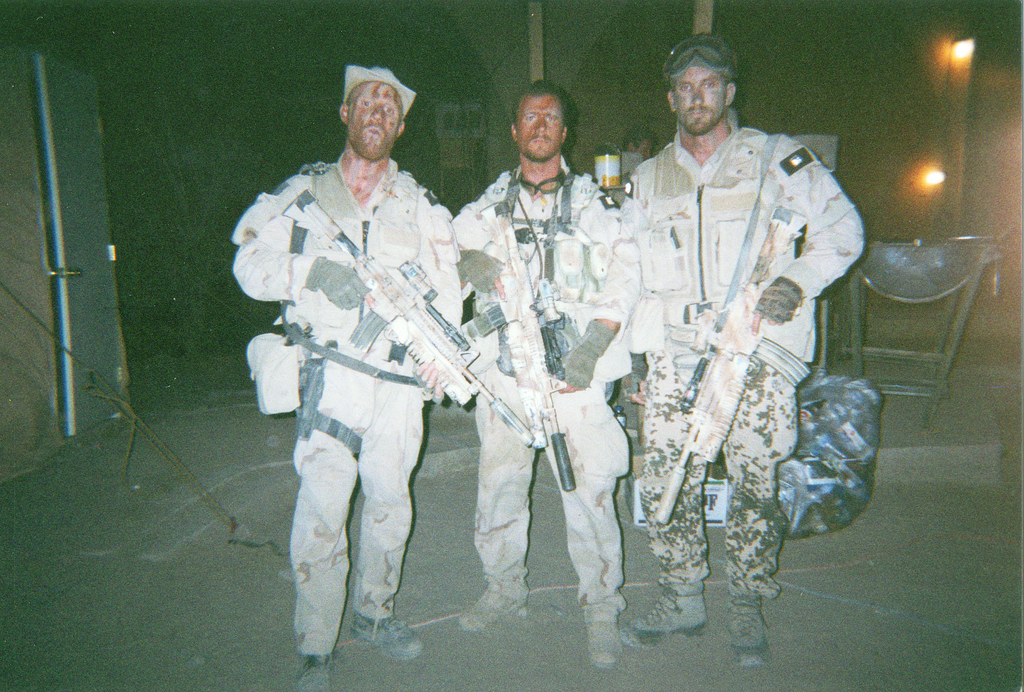
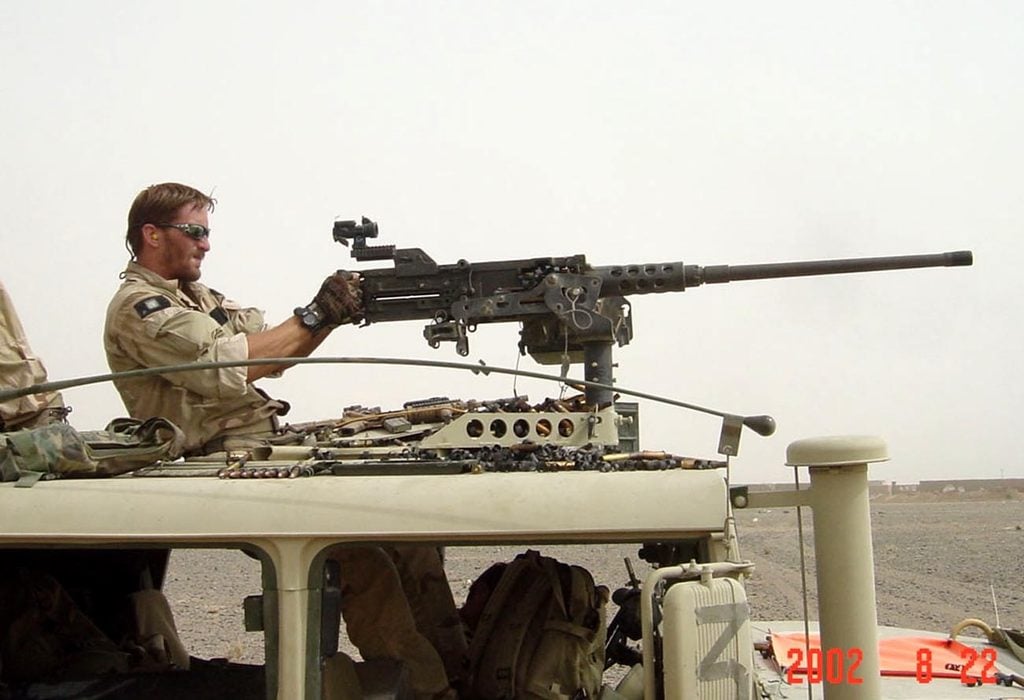
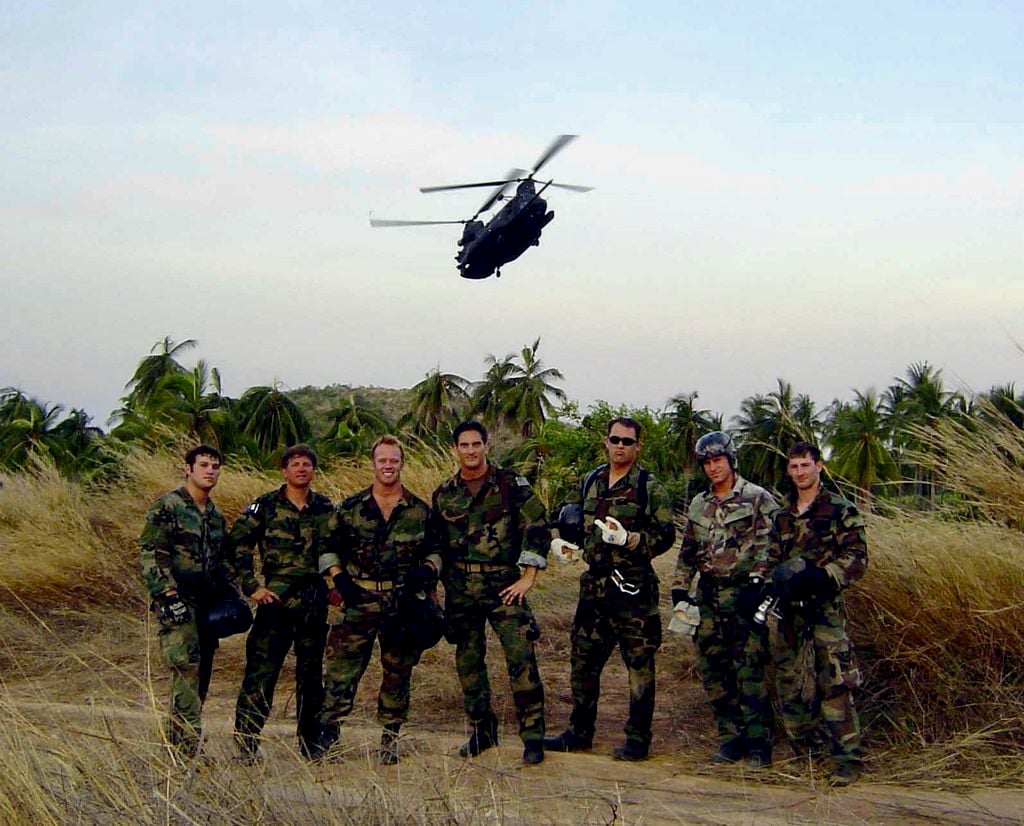
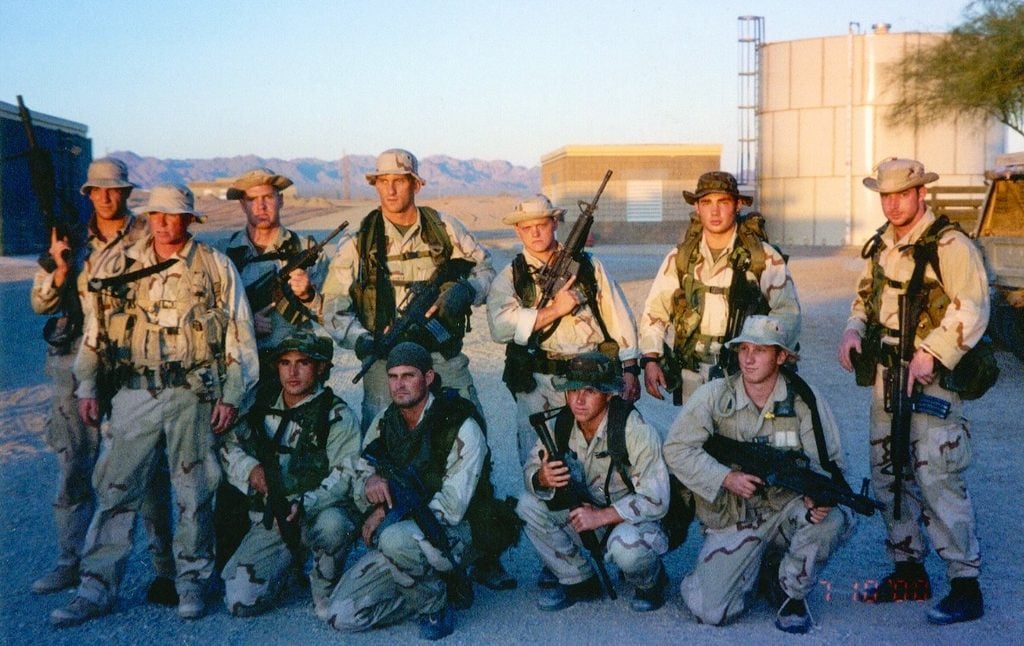
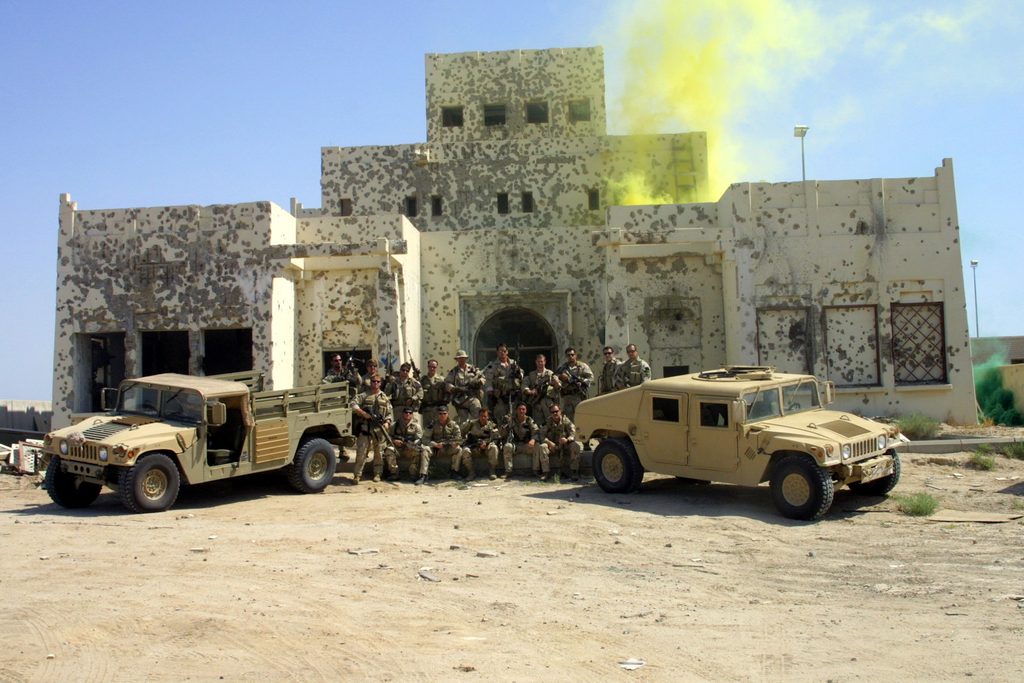
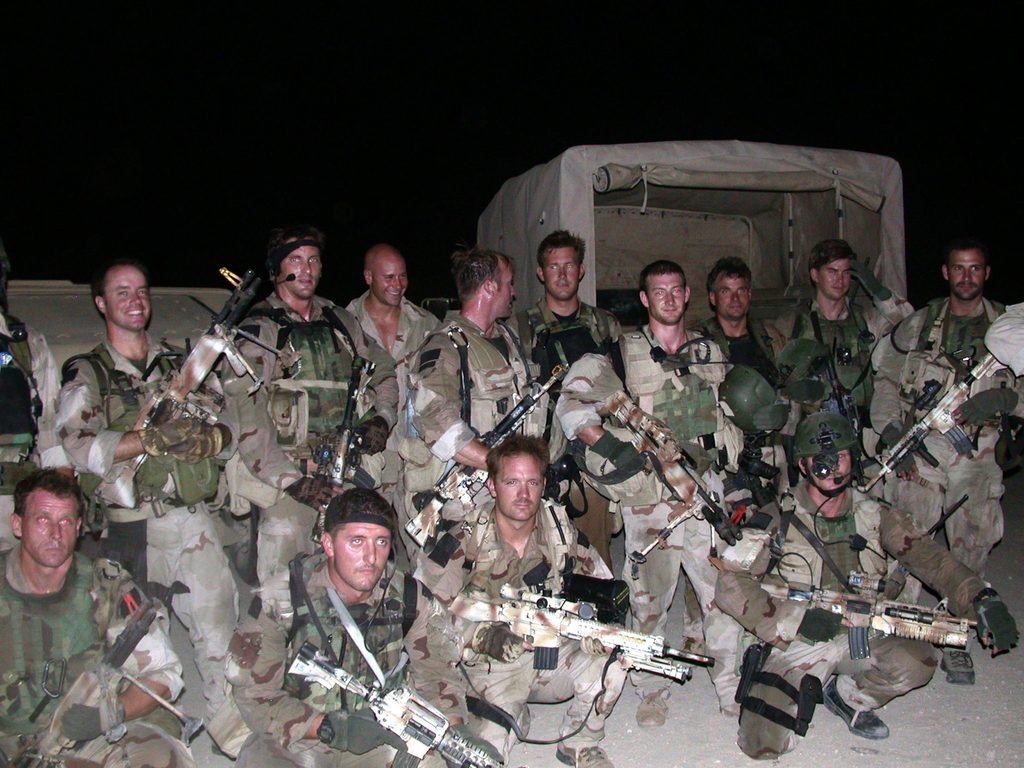
Not long afterward, September 11 happened and we went to war. I have no interest in rewriting that part of my life through the lens of who I am today. Some of my fondest memories are from my time in SEAL platoons. The camaraderie and brotherhood were extraordinary, and there was also tremendous loss, including friends who never came home. Both things can be true. We had spent years preparing to do a very specific job, and suddenly the country was asking us to do it. In some of those environments aggression, intensity, speed, and immediate action were exactly what the situation required.
Sometimes red was appropriate.
Another version of that intensity tended to appear outside the operational environment. Around the platoon, especially when we were out at bars or simply hanging out, I had a tendency to run hot. I could get pissed off quickly, and apparently watching me get fired up was entertaining enough that the guys gave that version of me a name, “Red Rick”. There was probably a feedback loop in it. They laughed, I reacted, they fed off me, and perhaps I fed off them. I do not want to turn a platoon nickname into a diagnosis, but looking backward, the timing interests me. Before my successful attempt at BUD/S, I had spent months being extraordinarily intentional about my internal state. Then I largely stopped doing that work, and somewhere in the years that followed reacting quickly and running hot became familiar enough that the people closest to me gave it a name.
I cannot say that stopping those practices caused Red Rick to emerge. There are far too many variables in a human life for that kind of certainty. I was getting older, going to war, living inside a particular culture, and accumulating experiences that inevitably changed me. Still, the pattern is difficult for me not to notice. A state that can be useful in one environment can become familiar enough to follow us into another. We can train the body, the profession, and the tactical skill set relentlessly while paying surprisingly little attention to the internal state carrying all of them. The question was beginning to change. It was no longer only whether I could summon intensity when I needed it. It was whether intensity had begun showing up when I did not.
Intelligence work forced another evolution because relationships became every bit as important as action. I had to listen, observe, build trust, read behavior, understand what was not being said, and manage my own reactions. Being the toughest person in the room was not necessarily going to help me. Interpersonal communication mattered enormously, as did projecting confidence without unnecessarily projecting aggression. The internal state that worked in one environment could interfere with performance in another.
Some of the clearest examples came at checkpoints and border crossings. Over the years I traveled through Iraq, Afghanistan, Ukraine, and other countries in non-military vehicles, passing through everything from improvised checkpoints to airports and international borders. Sometimes I worked through an interpreter, and I spent a great deal of time teaching interpreters that what they communicated with their bodies could matter as much as what they said. They needed to understand not only the words but the layers underneath them, including how we were presenting ourselves, what our demeanor communicated, and how their reaction could affect mine and mine could affect theirs.
There were also times when what I was carrying, information on my devices, or simply what I was doing could create serious consequences if interpreted through the laws or interests of the country I was entering. Add increasingly sophisticated screening, biometrics, and forensic capabilities, and an ordinary-looking border crossing could contain a remarkable amount of invisible pressure.
In those situations I would sometimes have a quiet conversation with myself. You’ve got this. Do what you’ve trained yourself to do. I paid attention to my breathing, my body, my demeanor, and the person in front of me. I could not control what another person was thinking or what he might do, but I could control what I brought into the interaction. It took me years to notice the resemblance to that first EMT lesson. I was checking my own pulse again. Regulation was not merely helping me tolerate pressure. It seemed to preserve bandwidth for perception and connection. If my attention was consumed by my own reaction, there was less of it available for the person in front of me. When I was sufficiently regulated, more became available for listening, observation, judgment, and empathy. The state I brought into the room was not separate from performance. It was helping determine what information I could perceive in the first place.
Near the end of my career, I began meditating again. In the years that followed, psychedelic experiences, serious integration work, continued meditation, and a broader process of self-examination became part of my life. I have become increasingly careful, however, about making meditation or any particular experience the hero of this story. Meditation gave me a place to practice paying attention to my internal state, but the real measure of that practice was never going to be how I felt while sitting quietly with my eyes closed.
During meditation I could watch a thought appear without immediately following it, feel discomfort without immediately trying to escape it, and notice anger, anxiety, or uncertainty as experiences occurring within me rather than instructions that automatically required a response. The more important question was what happened when I opened my eyes, because there were still another twenty-three and a half hours in the day. Relationships, loss, uncertainty, divorce, business problems, difficult conversations, and ordinary moments when nobody knew I was practicing anything at all became the larger training environment. Psychedelic experiences became part of that process for me too, but the experiences themselves were never the point. What mattered was whether anything I saw or learned changed the way I behaved when I was angry, uncomfortable, frightened, uncertain, or hurt.
Over time, something seemed to change. Red Rick did not exactly disappear, and I no longer think disappearance is the right way to understand it. The intensity was still available. What diminished was some of its automatic authority. I did not have to become angry simply because anger appeared, and I did not have to react simply because something inside me demanded a reaction. That distinction matters because there is a misconception I hear around meditation, psychedelic work, compassion, or self-examination that somehow you lose your edge, as though becoming calmer necessarily means becoming softer in the sense of becoming less capable. That was not my experience.
The Edge Was Still There
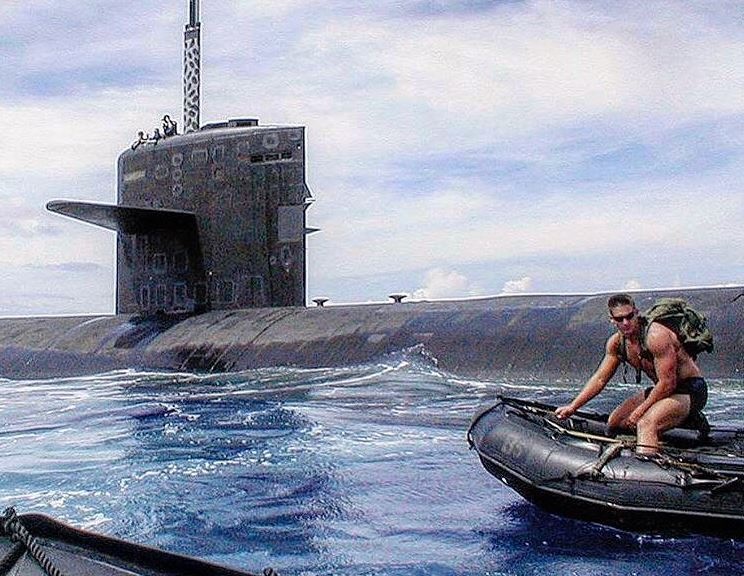
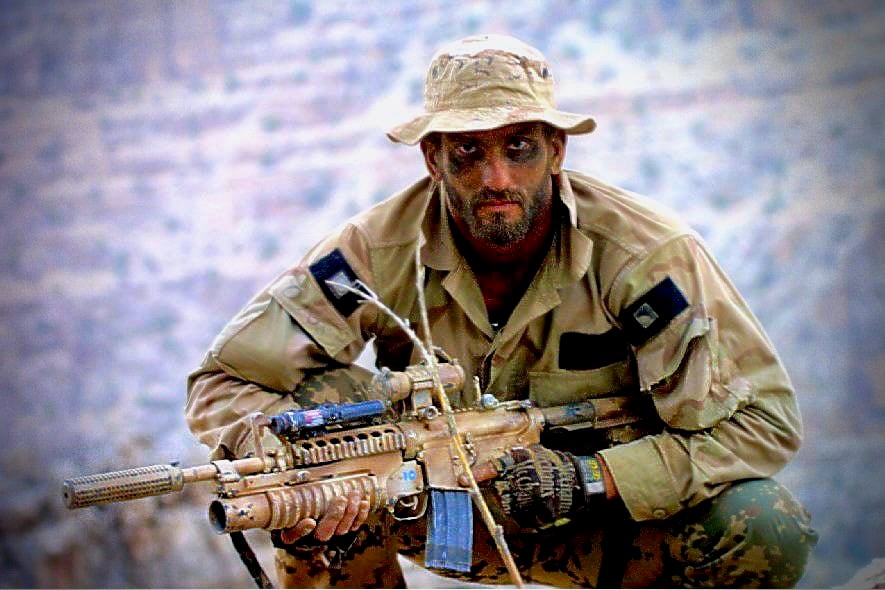
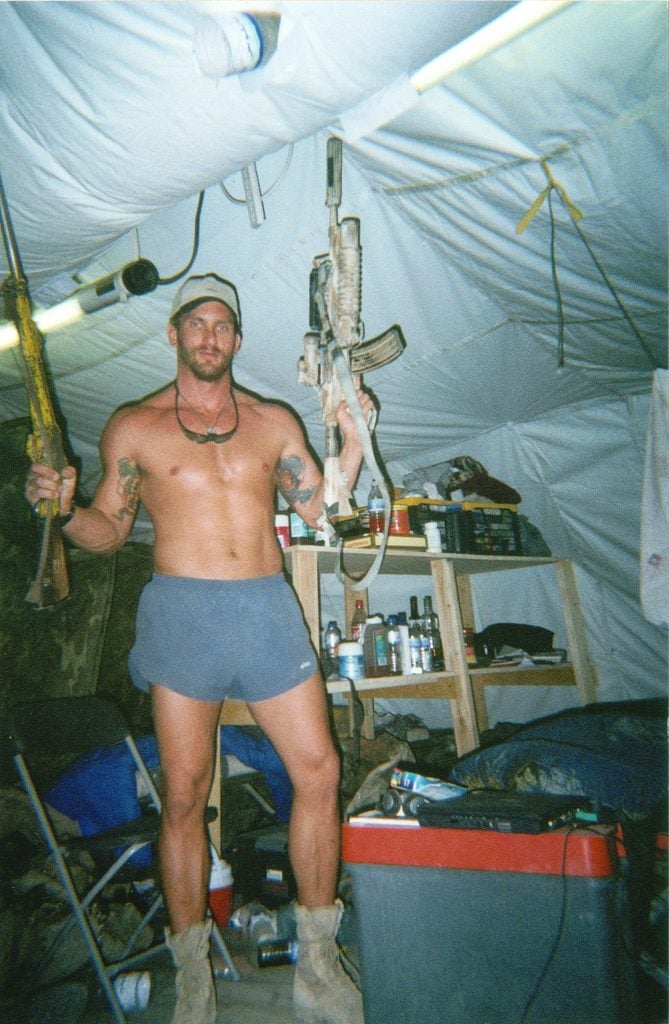
I am still capable of aggression. I am still capable of violence. I spent a significant part of my adult life developing those capabilities, and I do not believe that part of me is ever going to vanish. Nor am I convinced that it should. There are circumstances in which aggression is appropriate, boundaries need to be defended, and decisive action matters. What seems different is that I have more choice about when that part of me gets invited into the room. Perhaps I didn’t lose my edge. Perhaps, for the first time, I began learning that I didn’t have to live on it.
Years after retiring from the Navy, Ukraine gave me an opportunity to test that idea in an environment where the answer mattered. I was 52 years old and roughly ten surgeries into life when I returned to war. I could still do things that probably were not particularly sensible for a 52-year-old, including a backflip, but I knew I was not going to recover like the younger guys around me. Before and after almost every operation, I spent 30 or 40 minutes on mobility, stretching, foam rolling, percussion, and vibration work. The objective was not to prove I was still 30. The objective was to remain capable. That same honesty had to extend beyond my body to the environment itself.
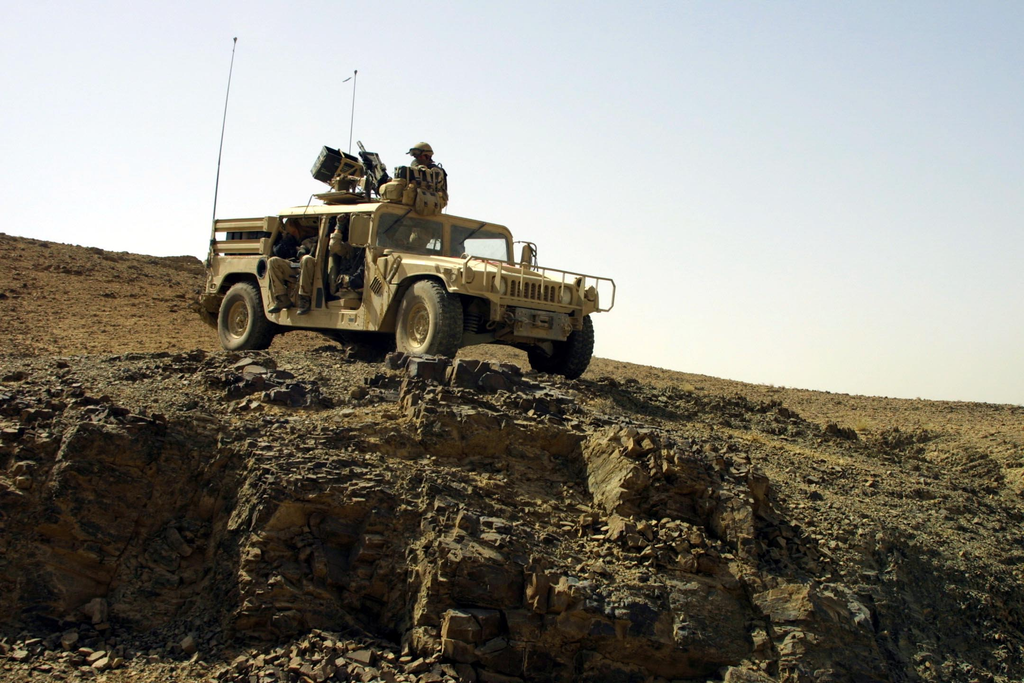
The war was different from the environments I had known earlier in my career. I was no longer a young SEAL operating inside the enormous support structure I had once known. We were working in small teams, often in civilian vehicles, with limited support, different risks, different signatures, and conditions that could change quickly. Experience was valuable, but only if it did not become rigidity. Things that had worked in one war or one period of my career could not simply be copied and pasted into another. I began to think that expertise might involve more than accumulating answers. It might also require recognizing sooner when an old answer no longer fits the environment.
At one point we came over a small, steep hill into a wooded area and almost immediately found ourselves stopped with roughly eight men carrying AK-47s surrounding the vehicle, some of them right outside our windows. It developed in seconds. I distinctly remember thinking, I’ve never seen this before. This got real, real fast. We stayed composed, communicated confidently, and did not unnecessarily escalate what was already a tense situation. Eventually people at a higher level were able to verify who we were, and we continued on. What stays with me is not that we remained calm because we had somehow seen everything before. It was almost the opposite. I had not seen that particular situation before. Experience gave me patterns to draw from, but presence allowed me to recognize that this was something new. Perhaps part of expertise is being able to acknowledge, without panic, that you do not yet know what you are looking at and then continue looking.
There was another, much less dramatic example in Ukraine that showed me how much my relationship with discomfort had changed. Early in my SEAL career, one of my closest friends, Jim, knew how uncomfortable I could get sitting packed into a helicopter wearing all of our gear. We would be sitting on the floor in complete darkness, crowded together, and I would fidget, shift around, and become increasingly agitated. Jim thought this was hilarious and would crowd me even more just to watch me squirm. Before Ukraine, I thought about those flights and decided to treat the long hours in body armor, weapons, cramped vehicles, and uncomfortable positions as meditation. If somebody needed to move, I accommodated him. Otherwise, I sat. I did not spend hours negotiating with the discomfort. The discomfort had not changed. My relationship with it had.
Then, on my first operation in Ukraine, I noticed something even more important. I felt completely switched on, but I did not feel the way I remembered feeling when I was switched on earlier in my career. My awareness was there. I was paying attention to the environment, the people around me, what was changing, and what might matter. What was missing was the same underlying anxiety, tunnel vision, or what I now recognize as hypervigilance. I was simply present.
For much of my earlier career, I think I had sometimes confused hypervigilance with situational awareness because both can make you extraordinarily attentive. The confusion makes sense. If your nervous system assumes danger may be everywhere, you become very good at searching for danger. There may be a cost hidden inside that bargain, however. If the mind is constantly organized around finding the threat, other information can become harder to see. What I experienced in Ukraine felt different. I was not ignoring danger or somehow less prepared to respond to it. I simply did not need my nervous system screaming at me in order to pay attention. I had not become less capable of intensity. The edge was still there. I just was not living on it.
It occurred to me later that Red Rick had not come with me, although that is probably not quite right either. The capacity for that intensity was still there, and Ukraine left no ambiguity about whether I could still exercise it. I was the team leader on direct-action operations in which we employed mortars, rockets, and missiles against Russian targets. Those weapons were being used for exactly what weapons of war are designed to do. Violence was not hypothetical. What surprised me was that I did not seem to require anger, anxiety, or hypervigilance in order to participate in or lead those operations effectively. I could make decisions involving lethal force and remain internally calm. I could be fully present to what we were doing without needing to manufacture hostility toward the people on the receiving end of it. The capability had not disappeared. What seemed to have changed was my relationship with the internal state I once associated with that capability.
For the first time, I understood experientially that calm and readiness were not opposites. Nor, apparently, were calm and decisive action. The deeper capability may not be learning to remain in a state of aggression so that violence is always available. It may be being able to access and exercise that capacity when the environment actually requires it without having to live there before, during, or afterward.
I also noticed some of the younger men around me carrying anger, agitation, or anxiety when we were not operating. I do not know what was happening internally for any of them, and I do not want to pretend that I do. Watching them did make me wonder about my own earlier life. There may have been times when dangerous environments made me feel more present because the intensity outside finally gave all of the activation inside somewhere to go. Combat may sometimes have been one of the places where the external world matched the internal one. I do not know the answer, but the question stayed with me because it changed how I thought about the difference between being ready for intensity and needing intensity in order to feel ready. Ukraine did not show me that I had become less dangerous or less capable. It showed me that readiness did not have to depend on living in a state of internal alarm.
The Other Twenty-Three and a Half Hours
That realization brought me back to the problem of integration. In human performance and learning, we might call it transfer or generalization. I keep coming back to integration because I am interested in something beyond being able to demonstrate a skill during training. I want it to become part of how we live. Meditation is an obvious example. Becoming calm and aware for thirty minutes is useful, but there are still another twenty-three and a half hours in the day. Emotional regulation means little if it survives an exercise but disappears during an argument with someone you love. Situational awareness is incomplete if you remain unaware of what is happening inside yourself. Adaptability is difficult to claim if a change in plans ruins your entire day, and presence means very little if you cannot actually listen when your child is trying to tell you something.
A couple of weeks ago I noticed that the water pressure at my house was low. I walked into the garage and discovered that the water heater had failed catastrophically. The garage was flooding and water was essentially running out toward my neighbor’s lawn. I shut off the water, moved what I could into the driveway, found the number for a plumber I had used before, and got him headed my way. A little while later I walked through the living room and realized the problem was considerably worse than I had thought. Water had traveled underneath roughly half of the hardwood floor and was visibly seeping up through the cracks. I remember looking at it, giving a small shake of my head and thinking, Damn. Then I continued dealing with the problem.
That does not mean I did not care. I understood what I was looking at and knew it was going to be expensive and disruptive. Anger was not going to remove the water, panic was not going to save the floor, and replaying how unfair or ridiculous it was was not going to improve the next decision. The emotional reaction did not need to become another problem requiring management. Only later did I notice the irony. Decades after being taught to check my own pulse before entering an accident scene, I had done essentially the same thing in my garage and then again in my living room. I noticed, assessed, avoided adding chaos, determined what mattered first, acted, took in new information, adapted, and continued. There was no battlefield, checkpoint, or casualty. It was a broken water heater on an ordinary day, and perhaps that is what integration actually looks like.
Most people are not going through checkpoints in hostile countries, treating battlefield casualties, or going through BUD/S. Everybody experiences pressure. Relationships, parenting, work, uncertainty, fear, loss, disappointment, difficult conversations, broken water heaters, and everything else that comes with being human will create plenty of it. Sometimes a random Tuesday afternoon will give you all the pressure you need. That is why I no longer think the value of these ideas should be measured by how well they work in extraordinary environments. The more meaningful test may be whether they remain available in ordinary life.
This is where the story stops being only about me. Everyone has some version of an internal state or learned response that, somewhere along the way, became accustomed to taking the wheel. It may not look anything like Red Rick. It may be anxiety, control, withdrawal, defensiveness, perfectionism, people pleasing, or the need for certainty. Sometimes that response was useful. Sometimes it may even have helped us perform, protected us, or allowed us to survive something difficult. The important question is not whether that part of us is good or bad. The question is whether it is still choosing for us when the environment no longer requires it.
Human performance, as I have come to think about it, is not simply increasing what someone is capable of doing. It is increasing the range of conditions in which those capabilities remain available. At a deeper level, it may involve developing enough awareness and adaptability to recognize which capability the moment actually requires. That can mean aggression when aggression is appropriate and compassion when compassion is appropriate. It can mean speed when speed matters and patience when patience matters. Sometimes the correct response is action, and sometimes nothing needs to be done. The goal is not to eliminate parts of ourselves or to become permanently calm. It is to stop requiring one state to solve every problem.
The things I do on a daily basis have helped me tremendously in that process, including meditation, paying attention to my reactions, recognizing thoughts without automatically believing them, breathing, becoming more comfortable with uncertainty, actually listening to another person instead of preparing my response, and recognizing when my internal state is beginning to drive my behavior. I am still working on all of it, and that may be part of the point. This is not about reaching some permanent state where nothing bothers you anymore. It is not about eliminating anger, aggression, fear, or intensity. Maybe nothing about us needs to disappear. The work may be developing enough awareness and flexibility to have access to the state the moment actually requires.
That is also why what I am doing now feels, in many ways, more important to me than anything I have done before. I am not interested in turning people into SEALs. I am interested in taking what I learned through medicine, three attempts at BUD/S, combat, intelligence work, Ukraine, human performance, meditation, integration, and my own life and figuring out what can actually help another person live theirs better. The questions have become practical ones. Can we remain clear when things get messy? Can we recognize what we are feeling without immediately reacting to it? Can we communicate when we are uncomfortable, adapt when reality does not match our expectations, remain present with another human being, and create enough space between what happens and what we do next that we actually have a choice?
I first learned to check my own pulse before entering an accident scene. I understood the lesson then. What I did not understand was how large it might become. Before we can lead, help, communicate, adapt, or respond skillfully to what is happening around us, we have to be able to notice what is happening within us. At first, I learned to control my state so I could perform. Over time, I began learning to understand my state so it did not have to control me. Perhaps calm under pressure was never just about combat. Perhaps it was about becoming sufficiently available to reality that we can meet the moment we are actually in, rather than automatically bringing every previous moment with us.
“If it only works inside the training environment, we haven't finished training it yet.”